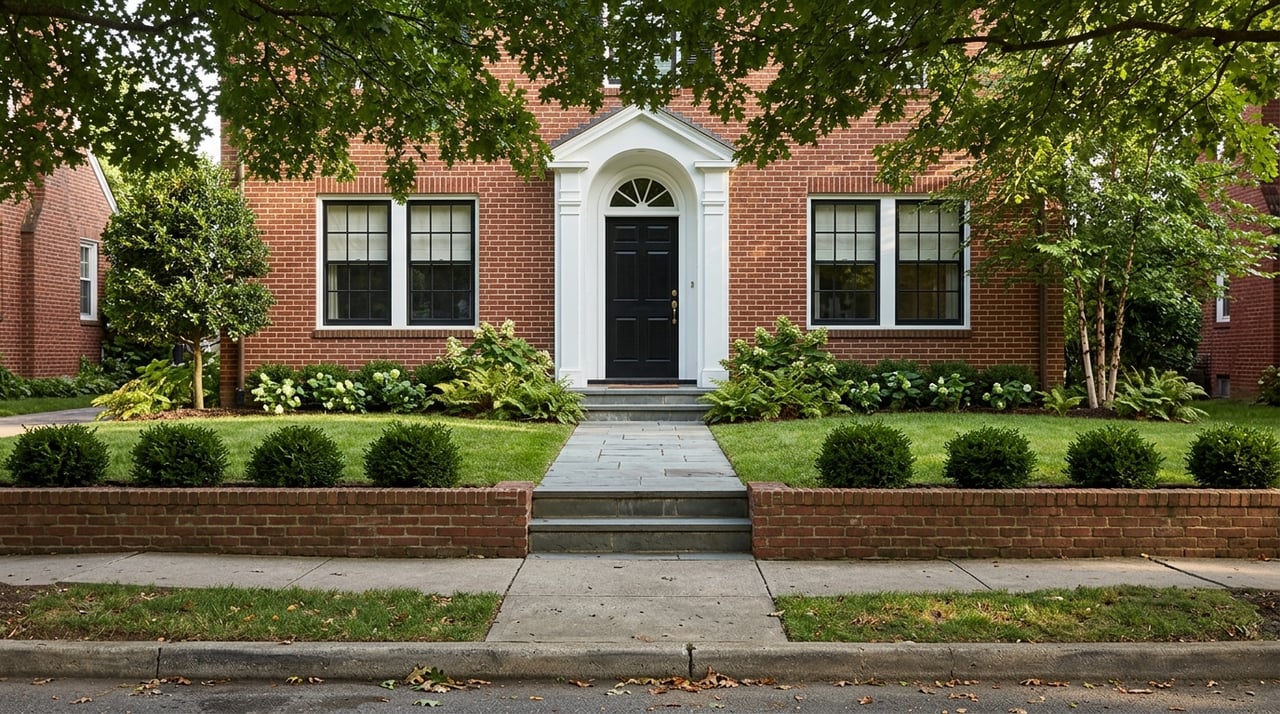
Looking for a DC neighborhood that feels a little quieter, a little greener, and still distinctly connected to the city? Palisades stands out for exactly that reason. If you want a place with a true neighborhood rhythm, a walkable main corridor, and easy access to the Potomac’s outdoor spaces, this guide will help you understand what living in Palisades is really like. Let’s dive in.
Why Palisades Feels Different
Palisades sits in Ward 3 in upper Northwest DC, along the bluffs of the Potomac River near the District-Maryland line. Official planning and historic sources describe Ward 3 neighborhoods as village-like places gathered around local commercial centers, and Palisades follows that pattern in a way that feels especially distinct.
What makes it stand out is its setting and layout. Compared with denser parts of Washington, Palisades has a more single-family-home-oriented feel around MacArthur Boulevard and the nearby residential streets. Historic resources also note that the neighborhood has a rustic quality that is unusual within DC.
MacArthur Boulevard Sets the Tone
MacArthur Boulevard is the neighborhood’s main street and central thread. Along with Foxhall Road, it forms the commercial corridor that Palisades Main Street describes as a walkable place to live, shop, and invest.
This is not a district built around large-scale retail. The corridor is more local-serving, with day-to-day amenities and specialized services that support daily life. According to Palisades Main Street’s market analysis, you are more likely to find boutique goods and services, salons, pet-related businesses, dentists, orthodontists, and sit-down restaurants than a large concentration of merchandise retailers.
That balance is a big part of the appeal. The commercial area supports the neighborhood without overwhelming it, which helps preserve the small-scale village atmosphere many buyers are looking for.
Community Anchors Add to the Village Vibe
Palisades has several everyday anchors that give the neighborhood a strong sense of place. The Palisades Library sits near the commercial section of MacArthur Boulevard and serves the historic neighborhood.
The Palisades Community Center is another major piece of the lifestyle picture. DC DPR describes it as a smaller site surrounded by outdoor opportunities, with indoor rooms as well as ball fields, a playground, a splash park, tennis courts, and a dog park.
The neighborhood’s annual Fourth of July parade also reinforces that local identity. DC event pages show the parade running along MacArthur Boulevard and ending at the recreation center, which says a lot about how the neighborhood comes together around shared spaces.
Outdoor Access Is a Major Lifestyle Advantage
If outdoor access matters to you, Palisades has a strong case. One of the clearest lifestyle benefits is its connection to the Potomac River corridor and nearby parkland.
The C&O Canal Towpath begins at mile 0 in Georgetown and stretches 184.5 miles along the Potomac River. The National Park Service notes that it is used for biking, hiking, fishing, birding, paddling, and boating access. For Palisades residents, that means the neighborhood feels tied to a long, active green corridor even while remaining inside the city.
Nearby parks deepen that connection. Battery Kemble Park preserves Civil War earthworks and sits within boundaries formed by Chain Bridge Road, MacArthur Boulevard, 49th Street, and Nebraska Avenue. Glover-Archbold Park adds a 183-acre wooded setting with a nearly 2.5-mile trail that connects to the C&O towpath.
For buyers comparing Northwest DC neighborhoods, this is one of Palisades’ strongest differentiators. You get an established residential setting with meaningful access to trails, parkland, and river-oriented recreation.
What the Housing Stock Looks Like
Palisades does not read as one-note. Its housing stock developed in layers, and that variety is part of the neighborhood’s character.
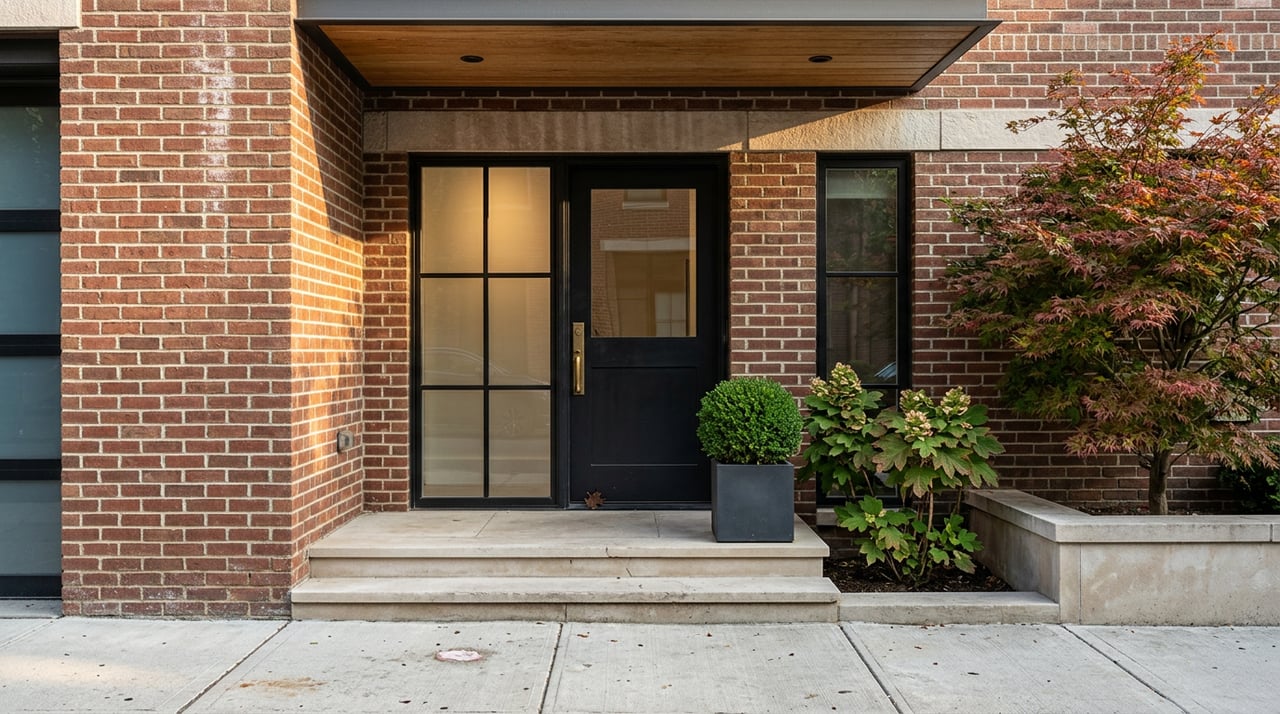
The Ward 3 heritage guide describes a mix that includes early frame houses, late-19th-century subdivisions, early-20th-century suburban dwellings, Colonial Revival homes, detached houses, and a notable mid-century modern cluster along Chain Bridge Road and University Terrace. In practical terms, buyers should expect a neighborhood with a broad range of architectural expressions rather than one dominant home style.
Topography also plays a major role in how the area feels. The same heritage guide highlights wooded, hilly terrain and winding historic lanes, all of which contribute to the neighborhood’s distinctive look and rhythm.
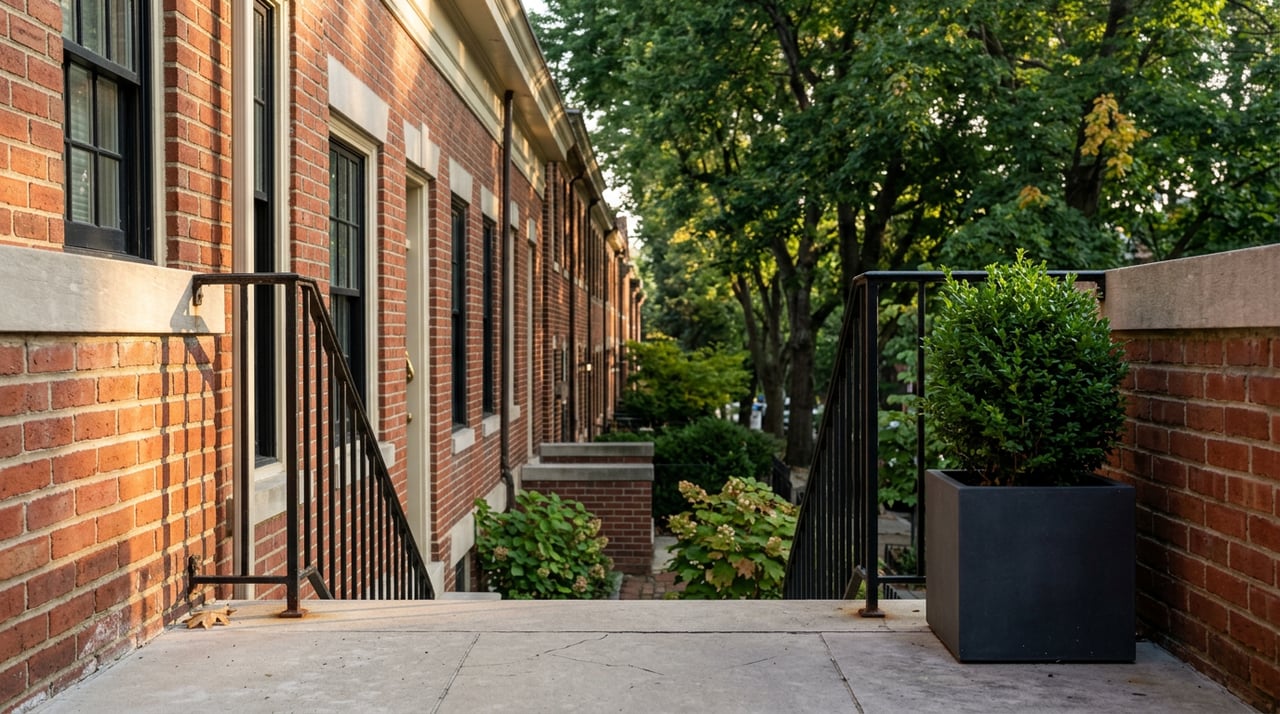
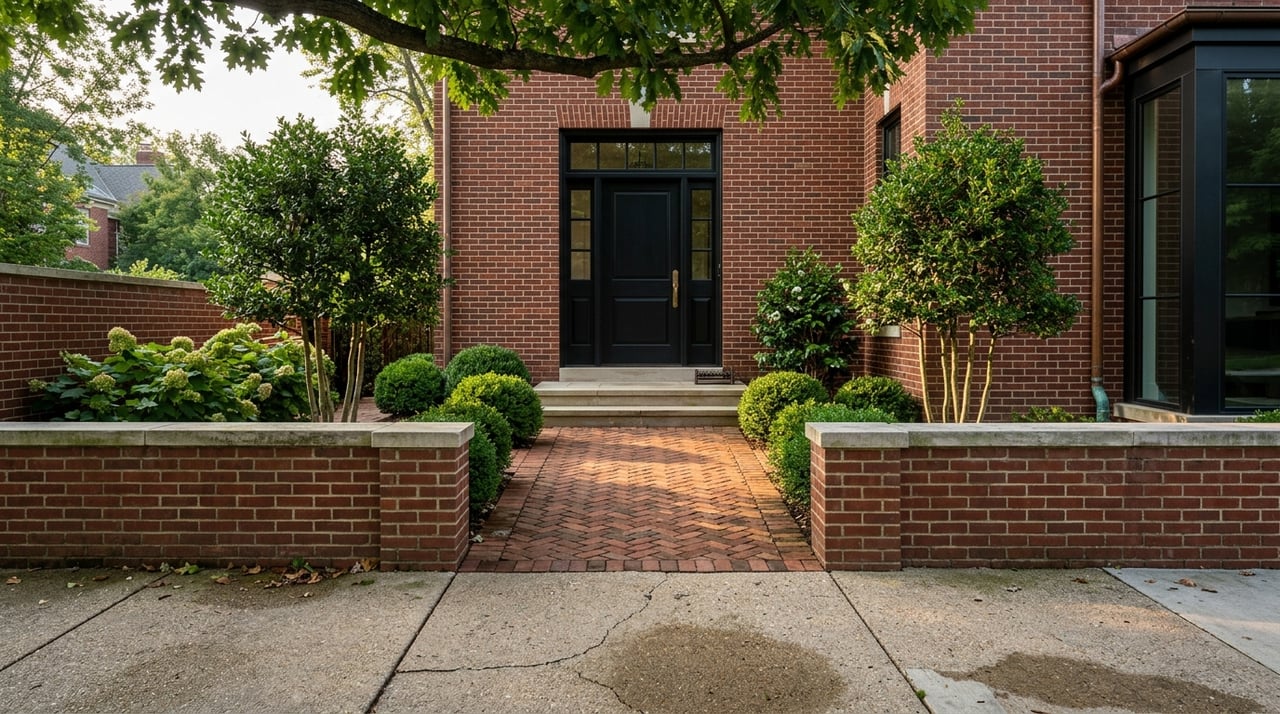
That matters because in a market like DC, micro-location and home character can shape both lifestyle and value. In Palisades, the combination of detached homes, mature trees, and layered architecture creates a setting that feels more residential and more tucked away than many buyers expect inside city limits.
A Neighborhood Shaped by History
Palisades has a deeper historic story than its streetscape alone might suggest. The neighborhood includes St. Phillips Hill, identified by the National Park Service as a Reconstruction-era African American community near Chain Bridge Road.
Historic planning sources also note that different street communities in the neighborhood developed distinct identities over time. For today’s buyers, that history shows up less as a single visual theme and more as a layered sense of place.
This is one reason Palisades feels established rather than manufactured. Its identity has been shaped over time by landscape, development patterns, and long-standing community institutions.
How Walkable Is Palisades?
Palisades is walkable in a neighborhood-serving way, especially around MacArthur Boulevard and Foxhall Road. If your idea of walkability means being able to reach local services, community spaces, and dining along a central corridor, it performs well.
That said, it does not function like downtown DC. Palisades Main Street’s market analysis notes limited strong public transit access, which suggests a setting that is more bus- and car-oriented than some of the city’s denser core neighborhoods.
For many buyers, that tradeoff is the point. You are often choosing Palisades because you want more space, more trees, and a quieter residential feel, while still keeping a neighborhood commercial spine nearby.
Who Is Palisades a Good Fit For?
Palisades can appeal to several types of DC-area buyers. It is worth a close look if you want a neighborhood that combines a low-key main street with a more detached-home-oriented environment.
You may find Palisades especially compelling if you are looking for:
- A village-like neighborhood feel within Washington, DC
- Access to parks, trails, and the Potomac corridor
- Detached homes and varied architectural character
- A quieter setting than denser urban neighborhoods
- A local commercial strip that supports daily life
It can also be a smart option if you are comparing close-in Northwest DC neighborhoods and want to balance city access with a more residential atmosphere.
What Buyers Should Keep in Mind
Palisades offers a very specific kind of DC lifestyle, and that is part of its strength. It is not trying to be a dense retail district or a high-rise urban center.
Instead, the neighborhood’s value is in its mix of village character, outdoor access, and established housing stock. The streetscape, topography, and commercial corridor all work together to create a setting that feels calm, grounded, and distinct from many other parts of the city.
If you are evaluating where to buy, this is the kind of neighborhood where block-by-block differences, home style, and proximity to MacArthur Boulevard or nearby parkland can meaningfully shape your experience. That is where local guidance becomes especially useful.
If you are considering a move in Northwest DC and want clear, strategic guidance on neighborhoods, home styles, and market positioning, connect with The Mike Aubrey Group.
FAQs
What is the overall feel of Palisades in Washington, DC?
- Palisades has a village-like feel shaped by its local commercial corridor, more single-family-home-oriented layout, and a rustic character tied to its wooded terrain and Potomac River bluffs.
What is MacArthur Boulevard like in Palisades?
- MacArthur Boulevard is the neighborhood’s main commercial corridor, with local-serving businesses such as restaurants, boutique services, pet-related services, salons, and everyday amenities.
What outdoor spaces are near Palisades?
- Palisades is near the C&O Canal Towpath, Battery Kemble Park, and Glover-Archbold Park, giving residents access to trails, biking, hiking, and other outdoor recreation.
What types of homes are common in Palisades?
- Buyers can expect a mix of early frame houses, detached homes, Colonial Revival homes, early suburban dwellings, and some mid-century modern architecture.
Is Palisades walkable for daily errands?
- Palisades is most walkable around MacArthur Boulevard and Foxhall Road, where you can access local businesses and community anchors, though the area has more limited strong public transit access than denser parts of DC.
Why do buyers consider Palisades in Northwest DC?
- Many buyers look at Palisades for its quieter residential setting, mature trees, architectural variety, outdoor access, and neighborhood commercial spine that supports day-to-day living.