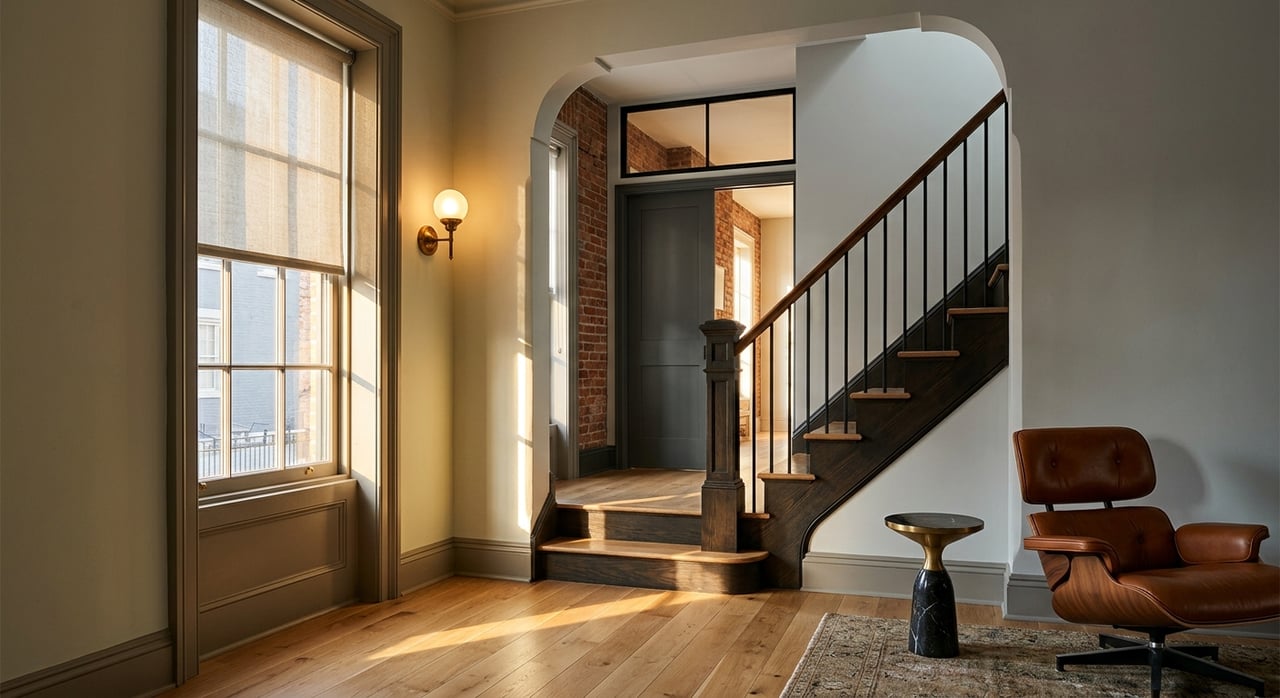
Ever wondered whether a Dupont Circle rowhome feels romantic in real life or just looks that way from the sidewalk? If you are weighing a move into one of DC’s most recognizable neighborhoods, it helps to understand both the charm and the day-to-day trade-offs. This guide will walk you through what living in a Dupont Circle rowhome typically looks like, from architecture and layout to parking, outdoor space, and the pace of everyday life. Let’s dive in.
Dupont Circle rowhomes have real character
Dupont Circle is one of DC’s classic rowhouse neighborhoods, and that historic fabric is a big part of the appeal. The Dupont Circle Historic District was established in 1976 and later expanded, with a period of significance from 1875 to 1931.
What you notice quickly is that the architecture is not all one-note. Historic district records describe a mix of Queen Anne, Richardsonian Romanesque Revival, and Georgian Revival rowhouses, which gives the neighborhood a layered, collected look rather than a cookie-cutter feel.
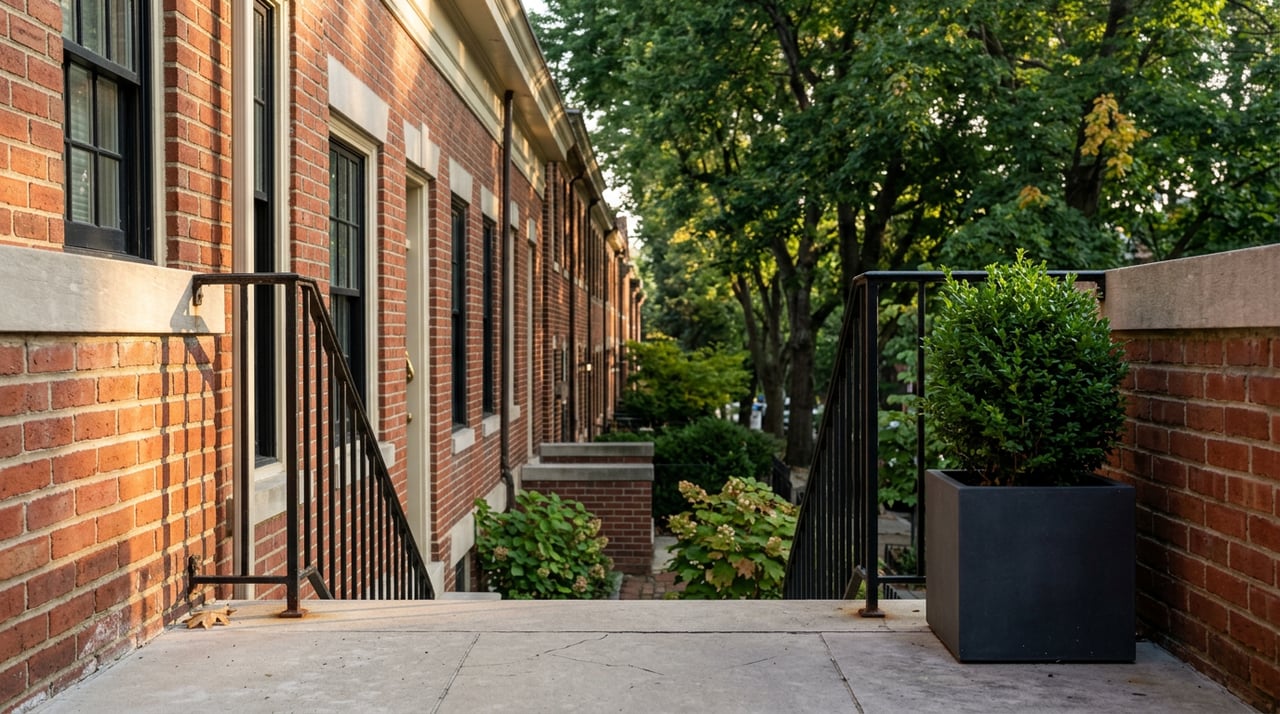
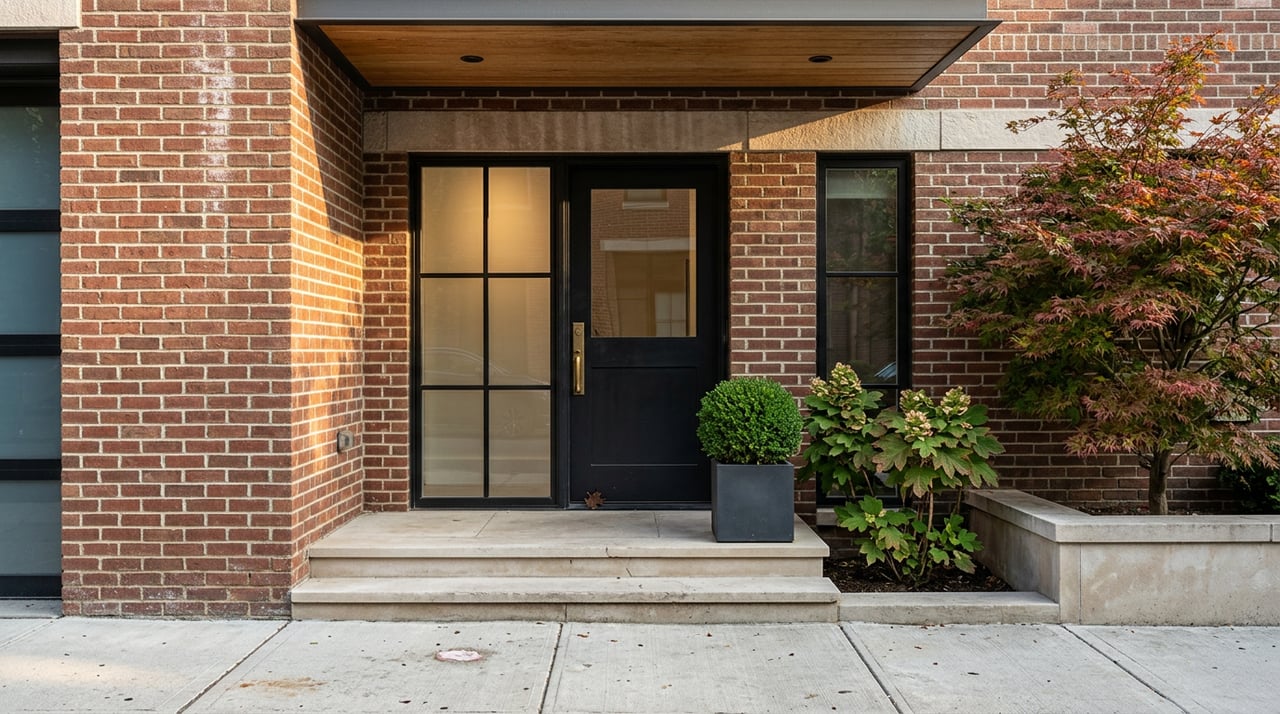
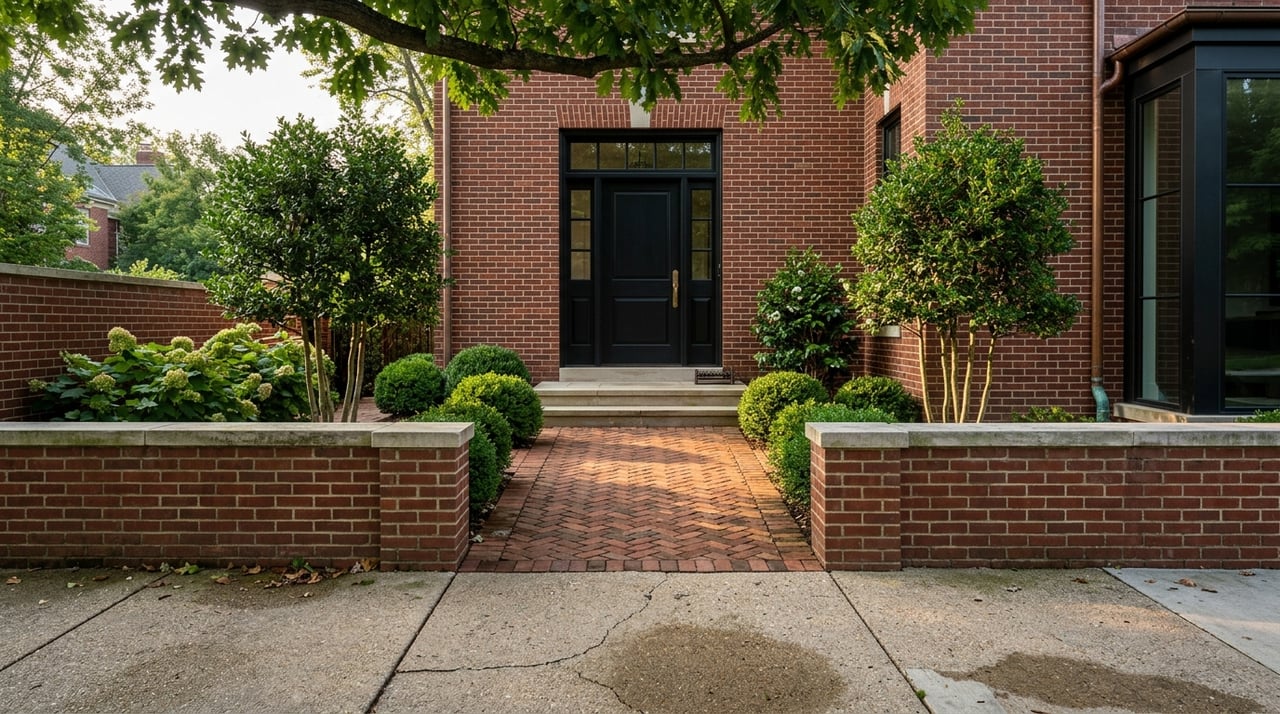
As you walk the blocks, that variety shows up in details like turrets, decorative brickwork, round arches, bay windows, carved stone trim, and ornate porches. The result is a streetscape that feels refined, historic, and visually interesting from one house to the next.
It is also worth noting that while Dupont Circle includes some grand homes and mansions, most of the historic housing stock is made up of rowhouses. These homes were originally built for middle-class professionals and officials, which helps explain the neighborhood’s elegant but livable scale.
Daily life is built around walking
Living in a Dupont Circle rowhome usually means choosing a walk-first lifestyle. The area is dense, well connected, and close to neighborhood commercial streets, corner stores, Rock Creek Park, and the National Mall.
In practical terms, many daily errands can happen on foot. That includes grabbing groceries, meeting friends, picking up coffee, or heading out for dinner without needing to plan around a car.
The Dupont Circle Market also adds to that rhythm. It has operated since 1997 and runs year-round on Sundays from 8:30 a.m. to 1:30 p.m. on 20th Street NW between Massachusetts and Connecticut Avenues.
That kind of neighborhood routine matters more than buyers sometimes expect. In Dupont, the lifestyle is not just about the house itself. It is also about stepping outside and being immediately connected to city life.
Metro access shapes the experience
Transit is one of the biggest reasons many people enjoy living here. WMATA identifies Dupont Circle station as a Red Line stop with entrances at Connecticut Avenue and 19th Street NW and at Connecticut Avenue and Q Street NW.
The station page also notes that there is no parking available. Instead, the area supports a more urban routine, with bike racks and bikeshare access reinforcing the idea that walking, biking, and Metro use are often more practical than driving.
If you prefer a car-light lifestyle, that can be a real advantage. If you rely heavily on driving, it is something to think through carefully before you buy.
Interiors often live vertically
Inside, Dupont Circle rowhomes often feel tall, layered, and flexible. Public listing examples suggest that many homes span four or five levels, with a layout that uses each floor differently.
A common pattern is a main living floor designed for entertaining and everyday use, upper floors reserved for bedrooms, and a lower level that serves as a guest suite, office, rental unit, or flex space. That is not a formal rule, but it is a useful way to think about how many of these homes function.
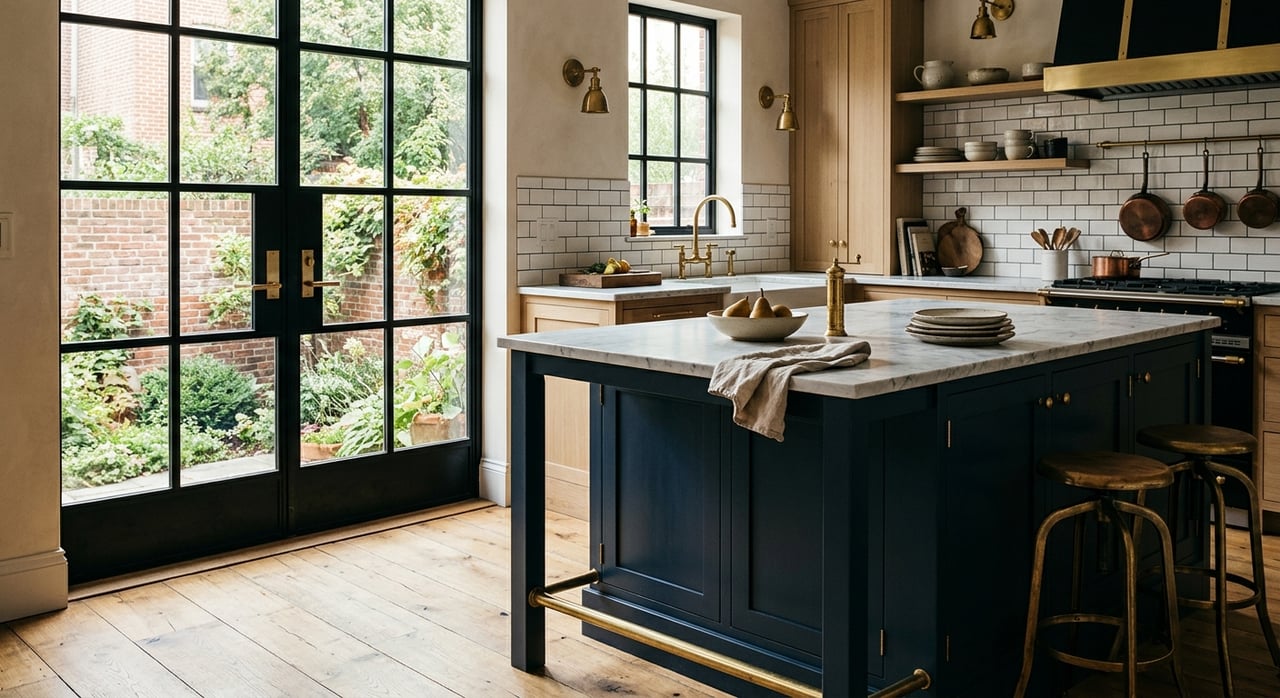
This vertical style of living can feel elegant and practical at the same time. You may get soaring ceilings, oversized windows, wood floors, fireplaces, ornate moldings, and leaded glass, depending on the home.
It also means you should think beyond square footage. How the floors connect, where the kitchen sits, how often you use stairs, and whether the lower level fits your needs can matter just as much as the size on paper.
Entertaining space is often a highlight
One of the best parts of rowhome living in Dupont Circle is that many homes are designed in a way that supports entertaining well. Historic character on the exterior often pairs with generous main-level living areas and strong indoor-outdoor flow.
Public listing examples point to features like rear decks, balconies, fenced patios, and private outdoor entertaining space. In a central DC neighborhood, those features can add a lot to how a home lives.
If you like hosting, this layout can work especially well. The main floor often becomes the social hub, while upper and lower levels give you separation when you want privacy.
Outdoor space is usually private, not expansive
A Dupont Circle rowhome may give you outdoor space, but usually not a large yard. Most often, that outdoor area shows up as a rear deck, patio, balcony, small yard, or a combination of those features.
For many buyers, that trade-off makes sense. You get private outdoor space in a highly walkable urban neighborhood, even if the footprint is smaller than what you would find in a detached-home setting.
This pattern also connects to the neighborhood’s historic lot structure. DC’s historic alley survey explains that rowhouse areas often include rear-lot garages and other small accessory structures facing alleys, which naturally limits how much open yard space is left behind the main house.
Parking can be the biggest compromise
If you are considering a Dupont Circle rowhome, parking deserves a serious look. DDOT’s ParkDC program notes that the Residential Permit Parking system limits residential parking to residents on designated blocks, and public-space parking guidance says parking in front of a dwelling is generally not permitted.
That helps explain why off-street parking is such a premium feature. Some public listings include private spaces, rear garages, or alley-access parking, but those features are not universal.
When you combine that with the fact that the Dupont Circle Metro station has no parking, the picture becomes clear. This is a neighborhood where car ownership is possible, but not always easy.
For some buyers, that is a minor inconvenience. For others, it is a deciding factor. Knowing your own routine matters.
Historic ownership comes with review rules
Preservation is part of the Dupont Circle rowhome experience. Because the neighborhood sits within a historic district, visible exterior changes often require more review and planning than they would in a newer area.
According to DC’s Office of Planning, the Historic Preservation Office can approve in-kind repairs, small additions, and minor alterations. Design guidance also specifically addresses additions and roof decks, among other exterior changes.
That process helps protect the neighborhood’s appearance and architectural value. At the same time, it means renovation plans should be approached with realistic expectations, especially if you are hoping to make visible exterior updates.
Inside the home, your options may feel more flexible than they are on the outside. But if your vision includes expanding, altering the roofline, or making other prominent changes, early planning is important.
Who tends to love this lifestyle
Dupont Circle rowhome living often appeals to buyers who want more than just square footage. It tends to fit people who value architecture, walkability, transit access, and the energy of a central DC neighborhood.
You may be a strong fit if you want a home with history, appreciate design details, and like the idea of city routines centered around sidewalks, Metro, and nearby retail streets. You may also appreciate the flexibility of a multi-level layout, especially if you want guest space, work-from-home options, or room that can evolve over time.
On the other hand, if easy parking, a large yard, or simple exterior renovation freedom sit at the top of your list, a different home style or neighborhood may prove to be a better match. The key is understanding the trade-offs before you commit.
What to weigh before you buy
Before buying a Dupont Circle rowhome, focus on the details that shape everyday life most.
- Layout: Does the vertical floor plan work for how you live?
- Outdoor space: Is a deck, patio, or balcony enough for your needs?
- Parking: Do you need off-street parking, or can you live comfortably without it?
- Transit access: Will Metro, walking, and biking cover most of your routine?
- Preservation limits: Are you comfortable with added review for exterior changes?
These are practical questions, but they also affect resale and long-term satisfaction. In a neighborhood like Dupont Circle, execution matters. The right rowhome is not just beautiful. It fits your lifestyle cleanly.
If you are thinking about buying or selling a rowhome in Dupont Circle, working with a team that understands historic housing, block-by-block value differences, and the real trade-offs behind the photos can make your decision sharper. For tailored guidance and concierge-level support, connect with The Mike Aubrey Group.
FAQs
What is daily life like in a Dupont Circle rowhome?
- Daily life is typically urban, walkable, and transit-friendly, with easy access to neighborhood retail streets, corner stores, the Red Line, and the year-round Dupont Circle Market.
What kind of architecture do Dupont Circle rowhomes have?
- Dupont Circle rowhomes often reflect Queen Anne, Richardsonian Romanesque Revival, and Georgian Revival styles, with details like turrets, decorative brickwork, bay windows, carved stone trim, and ornate porches.
What does the layout of a Dupont Circle rowhome usually feel like?
- Many rowhomes live vertically, with main living and entertaining areas on one floor, bedrooms above, and lower levels used for guest space, offices, rental units, or other flexible uses.
What outdoor space is typical for a Dupont Circle rowhome?
- Outdoor space is usually private but limited in scale, often taking the form of a rear deck, patio, balcony, or small yard rather than a large lawn.
Is parking easy at a Dupont Circle rowhome?
- Parking is often one of the bigger trade-offs because residential parking rules apply on designated blocks, parking in front of a dwelling is generally not permitted, and the Dupont Circle Metro station does not offer parking.
Are renovations harder in a Dupont Circle historic rowhome?
- Visible exterior changes usually require more planning and review because the neighborhood is within a historic district, and additions, roof decks, and other exterior work are subject to preservation guidance.