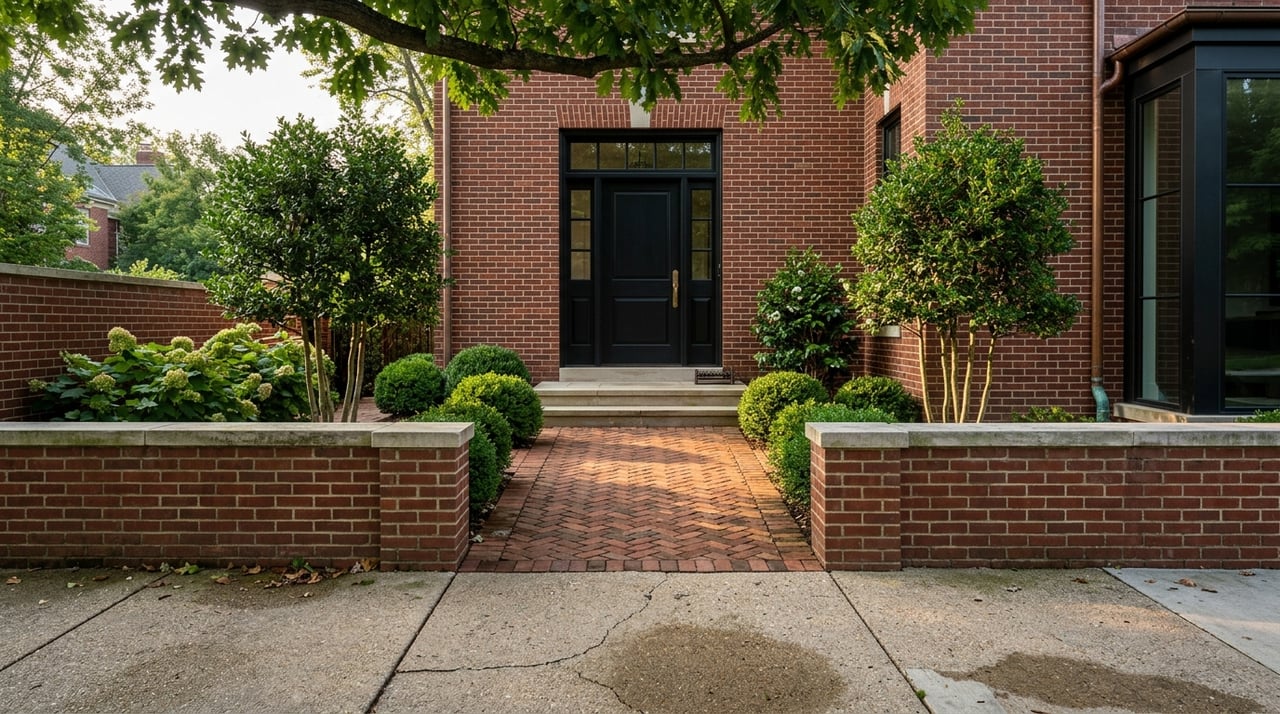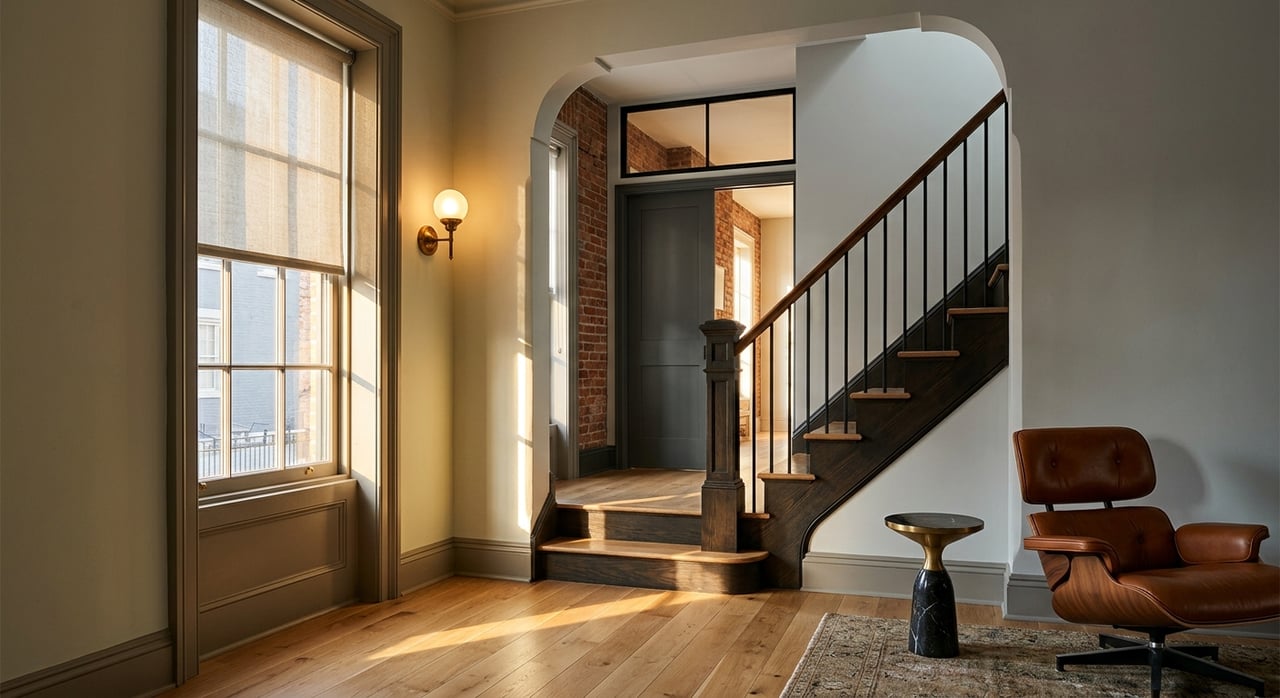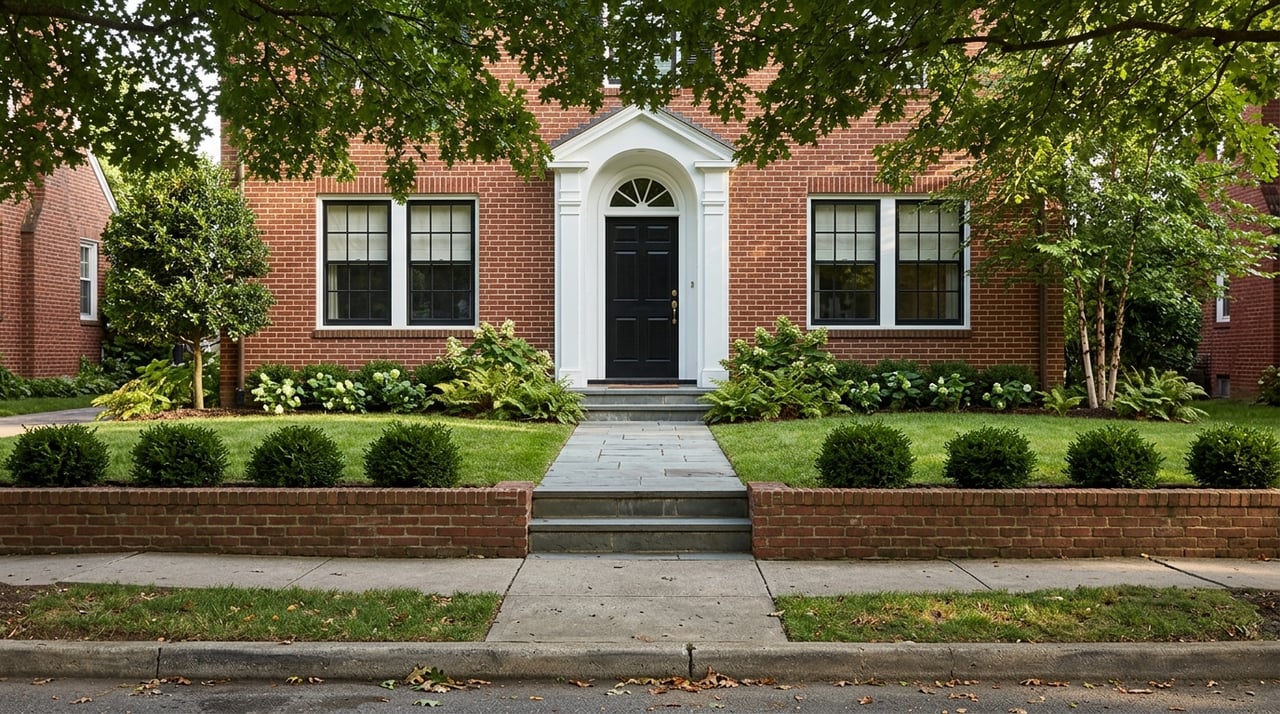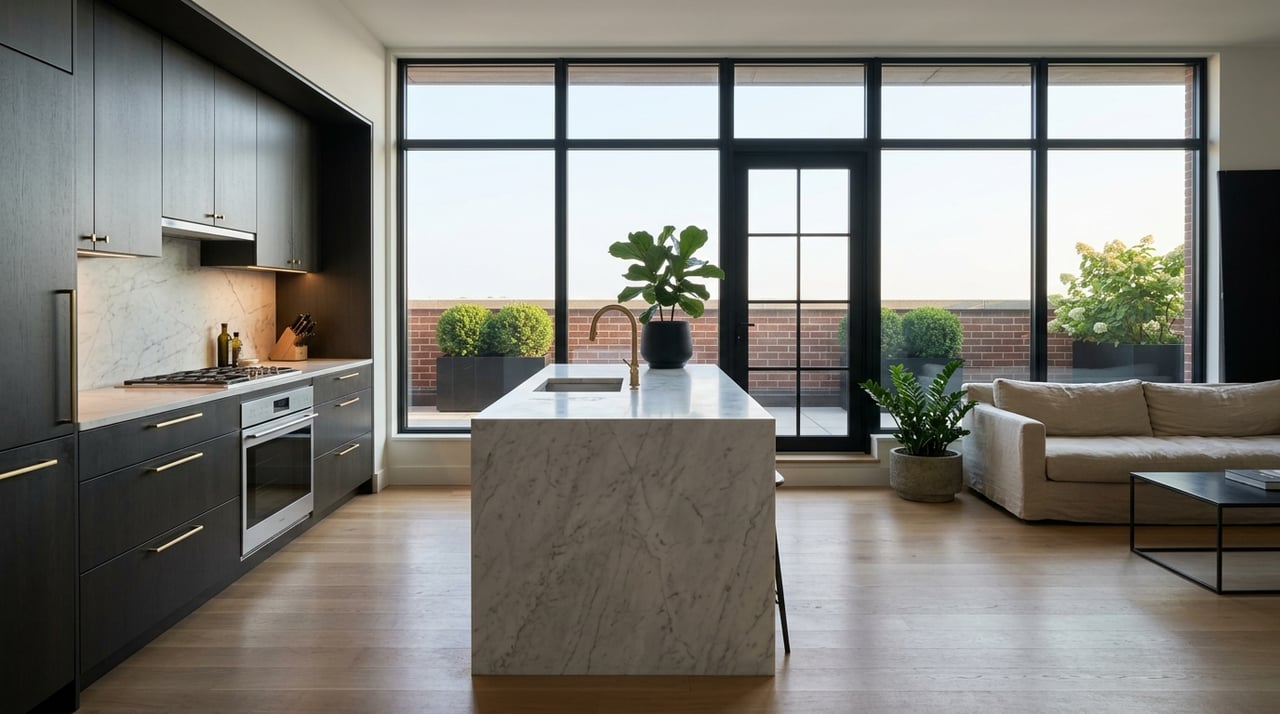
Trying to choose between a condo and a townhome in Bethesda? You are not alone, and in this market, it is a real decision rather than a default one. Bethesda offers both dense, walkable urban living and more house-like attached-home options, so the right fit often comes down to how you want to live day to day. This guide will help you compare the tradeoffs that matter most, from commute and maintenance to parking, privacy, and resale. Let’s dive in.
Why this choice matters in Bethesda
Bethesda is one of the few places in Montgomery County where both options make strong sense. Maryland planning data shows a housing mix that includes a large share of units in 20-or-more-unit buildings, along with detached homes and a smaller share of 1-unit attached homes. That mix supports both condo living and attached-home ownership in a meaningful way.
Bethesda is also one of Montgomery County’s most urban areas. Montgomery Planning describes Bethesda and Silver Spring as inner-Beltway Red Line central business districts built to support density, and it identifies Bethesda as the county’s most urban area. In practical terms, choosing a condo or townhome here is often a choice between two valid Bethesda lifestyles, not simply urban versus suburban living.
Start with your daily routine
The fastest way to narrow this decision is to look at how you actually live. If you want to walk to Metro, restaurants, errands, and trails, a condo near downtown Bethesda often lines up well with that goal. If you prefer easier car access, more separation from neighbors, or a more residential rhythm, a townhome may feel more natural.
Bethesda station is a Red Line station with no parking, according to WMATA. It does offer bike racks, lockers, bikeshare access, and a walkable connection to Bethesda Row and the Bethesda Trolley Trail. Medical Center station also gives direct access to major employers in Bethesda, including NIH and Walter Reed.
That local transit setup matters. In Bethesda, a condo can be the cleaner fit for a rail-first lifestyle, while a townhome often works better for buyers who still expect to drive regularly and want simpler day-to-day parking. The Purple Line may strengthen transit access in the future, but official project updates say passenger service is expected in late 2027, so it should be treated as a future benefit rather than an immediate one.
When a condo makes more sense
A condo usually works best when you want convenience, walkability, and less hands-on upkeep. In many condo communities, you own the interior of your unit while common elements like the exterior, land, and structural components are owned jointly. That structure can support a lower-maintenance, lock-and-leave lifestyle.
For many Bethesda buyers, that is the appeal. If you want to be near Bethesda Row, the Capital Crescent Trail, Metro access, and a more urban routine, a condo may deliver the lifestyle you are really paying for. It can also be a strong fit if you travel often or simply do not want to manage as much exterior maintenance.
That said, convenience comes with tradeoffs. Monthly condo fees may cover repairs, insurance, and reserves, but you need to know exactly what is included. You should also expect closer proximity to neighbors, shared systems, and building-wide rules that can affect parking, pets, rentals, smoking, or home-based business use.
Condo buyers should pay extra attention to project health
In Bethesda, condo due diligence is not just about the unit. It is also about the building or project. Fannie Mae notes that condo eligibility can depend on the project’s physical condition, financial stability, insurance, litigation, inspections, and unresolved structural issues.
That means resale and financing can be more project-sensitive with condos than with many townhomes. If you plan to use FHA financing, Montgomery County advises buyers to confirm the condo’s FHA approval number before making an offer. This is one reason we push for early document review rather than waiting until you are already emotionally attached.
When a townhome makes more sense
A townhome usually fits better when you want more privacy, more separation, and a more house-like feel. Depending on the community, you may also have more control over the exterior, private outdoor space, or how the home is maintained. That can appeal to buyers who want a bit more autonomy without jumping to a detached home.
In Bethesda, townhomes can be especially attractive if your routine is less transit-dependent. If you drive often, want easier parking, or prefer a quieter residential setting than a large multi-unit building offers, a townhome may better match your day-to-day life. It can also be the right move if storage matters and you want more room for bikes, strollers, seasonal items, or hobbies.
But do not assume all townhomes work the same way. Montgomery County notes that in some townhome associations, the owner maintains the exterior and lot, while in others, the association handles some or all of that work. Two homes that look similar from the street can carry very different maintenance obligations and monthly costs.
A key Bethesda detail: townhome does not always mean fee-simple
This is an easy point to miss. Montgomery County says condominiums can be multi-unit buildings or townhouses, and some multistory townhomes are legally condos. So the exterior style does not always tell you how ownership works.
That distinction matters because legal structure affects fees, maintenance responsibility, resale documents, and sometimes financing. Before you compare monthly costs, you need to verify whether the property is a condo, an HOA-governed townhome, or another ownership setup. This is where careful review protects you from surprises later.
Compare maintenance, privacy, and noise
For most buyers, the real choice comes down to a few daily-life questions. How much maintenance do you want to handle? How sensitive are you to noise? How important are storage and parking?
In a condo, the shared ownership structure often reduces the amount of exterior work you handle personally. That is a major benefit for buyers who want simplicity. The tradeoff is that you may have less control over building timing, policies, and shared expenses.
In a townhome, you may get more privacy and a more independent feel. You may also avoid some of the noise concerns that can come with multi-unit buildings, especially older ones. Montgomery County specifically notes that noise can be a problem in multi-unit properties and that many older buildings were not built with much soundproofing.
Questions to ask about everyday living
Before you decide, get specific about these details:
- What does the monthly fee cover?
- Is parking assigned, included, deeded, or unavailable?
- Is there extra storage?
- Who maintains the roof, siding, deck, yard, or private exterior areas?
- Are there rules on pets, rentals, smoking, or home-based business activity?
These are not small details. In Bethesda, they can shape how happy you are in the home long after closing.
Look closely at parking and transit
Parking is one of the most local parts of this decision. Because Bethesda station has no parking, condo living near Metro works best when you truly plan to lean into walkability, rideshare, biking, or rail use. If your routine still depends on a car, parking setup deserves close attention before you make an offer.
You should ask whether a space is included, assigned, leased separately, or not provided at all. The same goes for guest parking. A townhome may offer a more straightforward answer here, but not always, so this still needs to be verified in the resale documents and community rules.
Review reserves and resale documents early
In Maryland, association due diligence is a major part of buyer protection. For condos and HOAs established in Montgomery County on or after October 1, 2021, state law requires an independent reserve study that must be updated at least every five years. The law also requires annual review of reserves, and boards can raise assessments to fund reserves even if governing documents try to limit increases.
This is not just technical background. It affects your monthly carrying costs, your risk of future special assessments, and the financial stability of the community. You should ask when the last reserve study was completed, how reserves are being funded, and whether any special assessments or litigation are pending.
Timing matters too. Maryland condo law gives buyers seven days to cancel after receiving the required resale information, and Montgomery County notes that HOA resale packages can create a five-day cancellation window if the package was not delivered on time. The smart move is to request the association packet early, before you are making decisions under pressure.
Think beyond purchase day
A good Bethesda purchase should work for you now and still make sense later. If there is a chance you may rent the property in the future, check the rental policy carefully. Bethesda has a meaningful renter population, with 36.3% of occupied units renter-occupied, but many associations regulate or limit rentals.
That means flexibility varies by building and community. The right condo or townhome for one buyer may be the wrong one for another depending on future plans. We always recommend matching the property not only to your current routine, but also to your likely two-to-five-year horizon.
A simple way to decide
If you are still torn, use this lens.
A condo may be the better fit if you want:
- Walkability to Metro, dining, and errands
- Lower-maintenance living
- A lock-and-leave setup
- Shared amenities or a more urban environment
A townhome may be the better fit if you want:
- More privacy and separation
- A more house-like layout and feel
- Easier day-to-day car use or parking
- More control over exterior space or maintenance decisions
In Bethesda, there is no universally better choice. There is only the better match for how you live, commute, and plan ahead.
If you want a clear read on which option gives you the best combination of lifestyle, risk management, and resale potential, The Mike Aubrey Group can help you compare the fine print and negotiate with confidence.
FAQs
Should I buy a condo or townhome in Bethesda if I want to use Metro often?
- If you want a rail-first, walkable routine, a condo near downtown Bethesda or a Red Line station is often the better fit.
What is the biggest lifestyle difference between a Bethesda condo and townhome?
- For most buyers, the biggest differences are maintenance, privacy, noise, parking, and how urban or residential the setting feels.
Do Bethesda townhomes always have lower fees than condos?
- Not necessarily. Townhome communities can have very different maintenance splits and fee structures, so you need to review what the association covers.
Can a Bethesda townhome legally be a condo?
- Yes. In Montgomery County, some townhouse-style homes are legally condominiums, so you should verify the ownership structure before comparing costs or rules.
What documents should I review before buying a Bethesda condo or townhome?
- You should review the resale package early, including rules, fees, reserve information, maintenance responsibilities, parking details, and any rental or pet restrictions.
Why do reserves matter when buying in a Bethesda association?
- Reserve funding helps pay for future repair and replacement costs, and weak reserves can increase the risk of higher assessments or financial strain in the community.