Wondering what daily life on the Georgetown waterfront actually feels like once the weekend crowds fade? If you are considering a move to Georgetown, the answer is less about a single scenic stretch and more about how the area works day to day. From riverfront walks to quick access to shops and restaurants, this guide will help you picture the real rhythm of everyday living here. Let’s dive in.
Georgetown waterfront feels connected
The Georgetown waterfront works best as a network of connected public spaces, not just one promenade. Georgetown Waterfront Park runs along the Potomac from 31st Street NW to Key Bridge, the C&O Canal towpath begins in Georgetown, and the Capital Crescent Trail ends at the west end of Water Street NW.
That matters when you are choosing where to live. In practical terms, the waterfront lifestyle here is built around river views, canal-side walking, and trail access just as much as dining and shopping.
Outdoor routines shape the day
For many residents, the day starts or ends outside. Georgetown Waterfront Park is a 10-acre park with scenic viewpoints, bike racks, public transit access, and a kayak, canoe, and small-boat launch.
If you like to move without getting in a car, this area stands out. The C&O Canal towpath stretches 184.5 miles from Georgetown to Cumberland, Maryland, while the Capital Crescent Trail creates an off-road link between Georgetown and Bethesda.
That combination gives you options. You can walk along the river, bike beside the canal, or connect to a longer regional trail route without staying on city streets the whole time.
Park life goes beyond exercise
The waterfront is not only for workouts. Washington Harbour sits next to the park and brings together waterfront dining, river cruises, water taxis, and in winter, DC’s largest outdoor ice-skating rink.
The park also hosts seasonal programming like Sunset Fitness and Sunset Cinema. That helps the area feel active at different times of day, including weekday mornings, evenings, and colder months.
Expect occasional trail detours
One practical note is worth keeping in mind. As of spring 2026, DC Water says a temporary Capital Crescent Trail path is routed through Georgetown Waterfront Park between 33rd and Potomac Streets NW during Potomac River Tunnel construction.
If you are walking or biking regularly, you should expect occasional detours around Water Street. For daily users, that is less a deal-breaker and more a reminder that access patterns can shift during infrastructure work.
Dining and errands stay close
One of the strongest lifestyle advantages here is how quickly the waterfront connects to Georgetown’s commercial core. The waterfront district is less than a 5-minute walk south of M Street, with Washington Harbour serving as the main waterfront dining area.
This creates an easy daily rhythm. You can start with a canal or river walk, head inland for errands or coffee, and circle back to the water for dinner or an evening stroll.
M Street and nearby retail add convenience
Georgetown offers an unusually dense retail mix for a historic neighborhood. M Street is the heart of Georgetown’s shopping scene, while Book Hill is known for boutiques, galleries, antiques, and cafés along Wisconsin Avenue from O Street to Reservoir Road.
Cady’s Alley adds another layer, anchoring the Georgetown Design District with more than 20 home-furnishing showrooms along with fashion and specialty shops. For buyers relocating from more car-dependent areas, this kind of variety often changes how your week flows.
The neighborhood is also larger and more layered than many first-time visitors expect. Georgetown includes more than 150 clothing and fashion stores and over 100 restaurants representing more than 50 ethnicities.
That scale makes everyday living easier. Instead of planning a separate trip for each errand, coffee run, or dinner reservation, you are often working within one walkable neighborhood.
Residential streets feel different fast
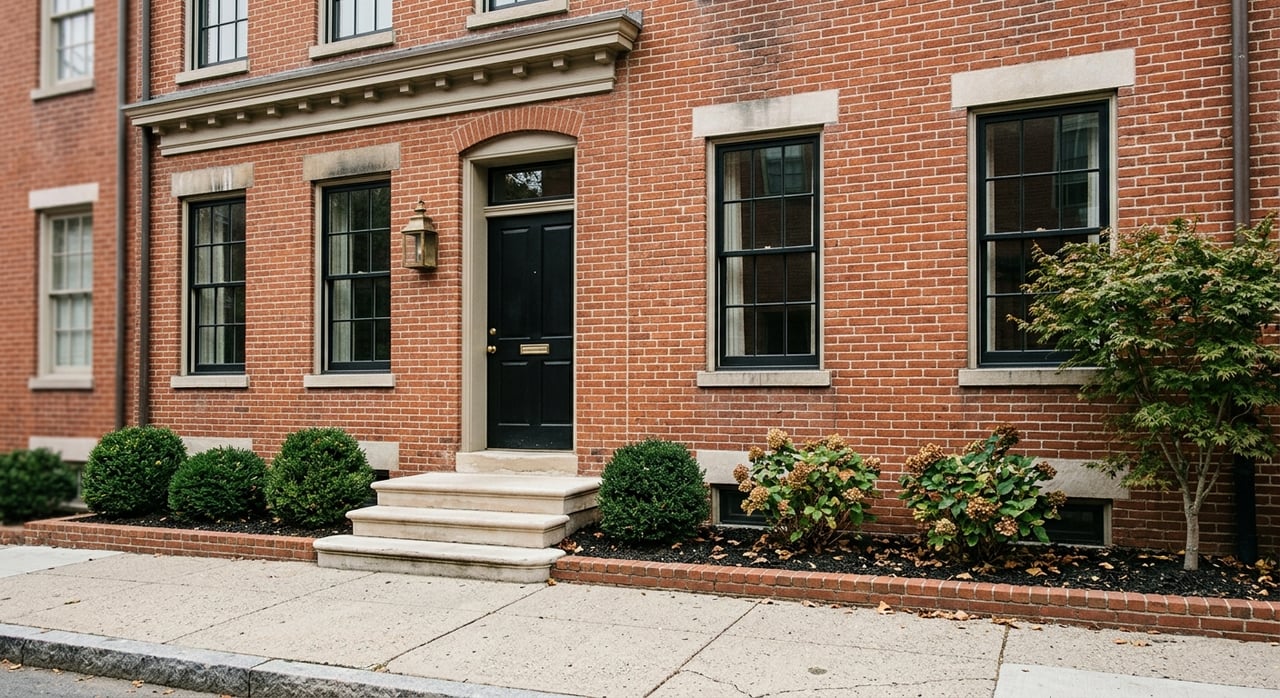
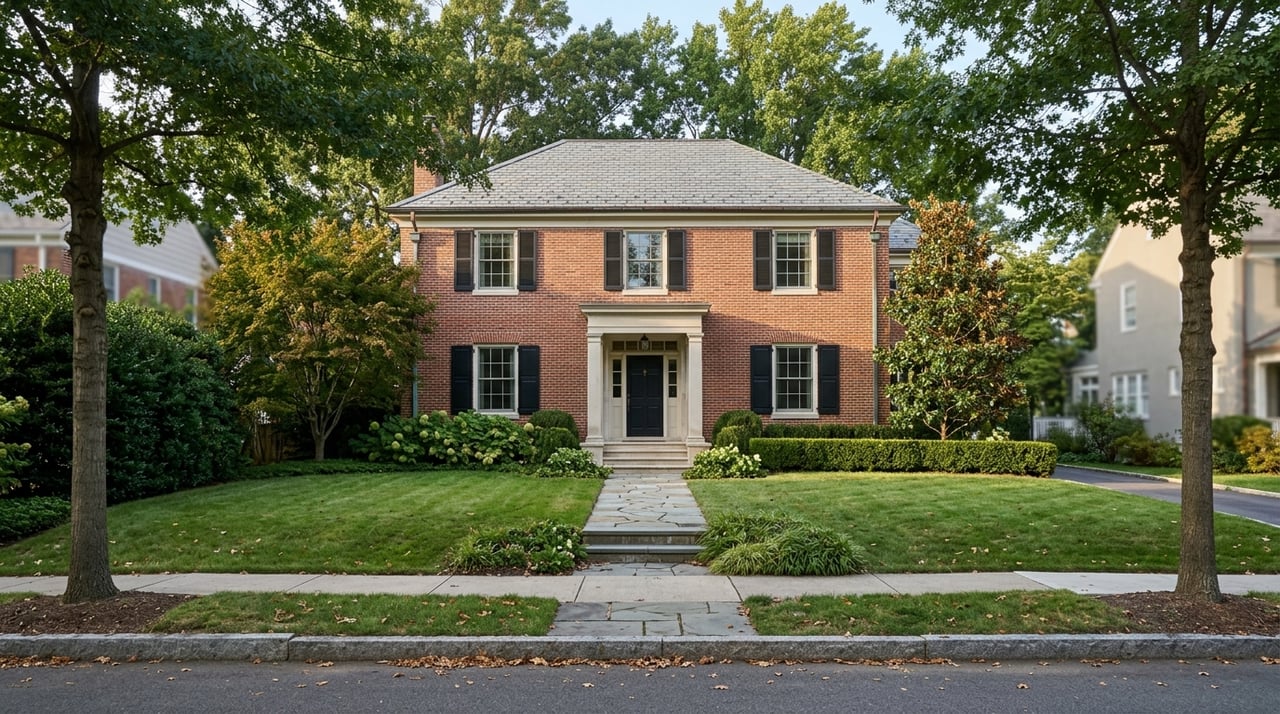
Another important part of waterfront living is what happens once you step a few blocks away from the busiest areas. North of M Street, on either side of Wisconsin Avenue, the streets become quieter and more tree-lined, with homes dating back as early as the 18th century.
You will find a mix that ranges from modest row houses to large estates, along with small parks and historic house museums throughout the neighborhood. That quick shift in feel is part of Georgetown’s appeal.
For buyers, this means micro-location matters. A home near the waterfront can still offer access to the river and trails, while a slightly inland location may feel more tucked away without losing the walkability that defines the neighborhood.
Maintenance supports the polished feel
Georgetown’s well-kept appearance is not accidental. The BID’s Clean Team sweeps the commercial blocks and the C&O Canal Towpath every day, helping maintain the polished feel many people notice in the neighborhood core.
That kind of upkeep can shape your day-to-day experience in subtle but real ways. Clean sidewalks, maintained public spaces, and cared-for commercial corridors tend to make routine walks and errands feel easier.
Getting around without Metro at your door
Georgetown is convenient, but it is not a Metro-first neighborhood. There is no Metro station in Georgetown, though Foggy Bottom-GWU is about a 15-minute walk away and Rosslyn is a short walk across Key Bridge.
That does not mean getting around is difficult. It means the neighborhood works best for people who are comfortable combining walking with bus, bike, or occasional driving.
Bus and bike access fill the gap
Current Georgetown-linked bus service includes lines such as A58 and C91, and the BID also lists D80, D82, D94, and D96 as Georgetown bus service. WMATA route profiles show C91 as LeDroit Park-Georgetown and A58 as a Georgetown-linked corridor via Rosslyn.
For many residents, the bigger advantage is the overlap of walking and biking infrastructure. Georgetown ties together the C&O Canal Towpath, Capital Crescent Trail, and Rock Creek Park Trail, and the waterfront park has bike access with nearby Capital Bikeshare stations.
If your routine includes a commute, this can make short trips more flexible. You may be able to combine a walk with a bus ride or bike segment rather than relying on a car for every trip.
Driving works, but simplicity matters
Drivers do have options in Georgetown. There are 20 parking lots and garages with more than 3,800 total spaces.
Still, this is not a low-friction driving neighborhood. Residential street parking is limited, and some commercial blocks have rush-hour restrictions, so life tends to feel smoother when you are not depending on curbside parking for every outing.
How Georgetown compares nearby
If you are deciding between several DC-area waterfront neighborhoods, Georgetown stands apart in a few clear ways. Compared with The Wharf and Navy Yard, Georgetown is less transit-saturated and less newly built.
The practical difference is in the daily experience. Georgetown feels more historic, more trail-based, and more low-rise, while those other waterfront areas lean more heavily on newer development patterns and closer Metro access.
Old Town is the closest comparison
Across the river, Old Town Alexandria is probably the closest match in spirit. The City of Alexandria describes its waterfront as 23 acres of parks, trails, shops, dining, historic sites, and a marina, with water taxi service to Georgetown.
Even so, the waterfront models are different. Old Town leans more toward a promenade-and-marina setup, while Georgetown blends the riverfront with canal paths, historic retail streets, and a deeper trail network.
Who tends to enjoy this lifestyle most
Georgetown waterfront living often fits buyers who want walkability with texture. If you like historic surroundings, daily access to outdoor space, and a neighborhood where errands, dining, and recreation all connect, this area offers a compelling mix.
It can be especially appealing if you are relocating and trying to balance neighborhood character with practical convenience. You get a setting that feels established and layered, with multiple ways to move through the city even without a Metro station in the middle of the neighborhood.
For many buyers, that is the defining takeaway. Life on the Georgetown waterfront is not about one big attraction. It is about the small daily advantages that add up, from morning trail access to evening dinners by the river.
If you are weighing Georgetown against other DC neighborhoods, it helps to look beyond the postcard view and focus on how you actually want to live each day. That is where smart real estate decisions start, and where The Mike Aubrey Group can help you navigate your next move with clarity.
FAQs
What is daily life like on the Georgetown waterfront?
- Daily life on the Georgetown waterfront usually revolves around a mix of outdoor routines, walkable errands, dining near Washington Harbour, and access to the park, canal, and trail network.
Does Georgetown waterfront living require a car?
- Not necessarily. Georgetown has no Metro station in the neighborhood, but many residents combine walking, bus service, biking, and occasional driving for daily trips.
What outdoor spaces are near the Georgetown waterfront?
- The main outdoor spaces include Georgetown Waterfront Park, the C&O Canal towpath, and the Capital Crescent Trail, all of which connect closely near the waterfront.
Is Georgetown waterfront close to shopping and restaurants?
- Yes. The waterfront district is less than a 5-minute walk south of M Street, and Georgetown includes more than 150 clothing and fashion stores plus over 100 restaurants.
How does Georgetown waterfront compare with The Wharf or Navy Yard?
- Georgetown generally offers a more historic, low-rise, and trail-connected experience, while The Wharf and Navy Yard are more transit-oriented and more newly built.
Are there any current trail changes near Georgetown Waterfront Park?
- Yes. As of spring 2026, DC Water says a temporary Capital Crescent Trail path runs through Georgetown Waterfront Park during Potomac River Tunnel construction, so occasional detours may affect walkers and cyclists.