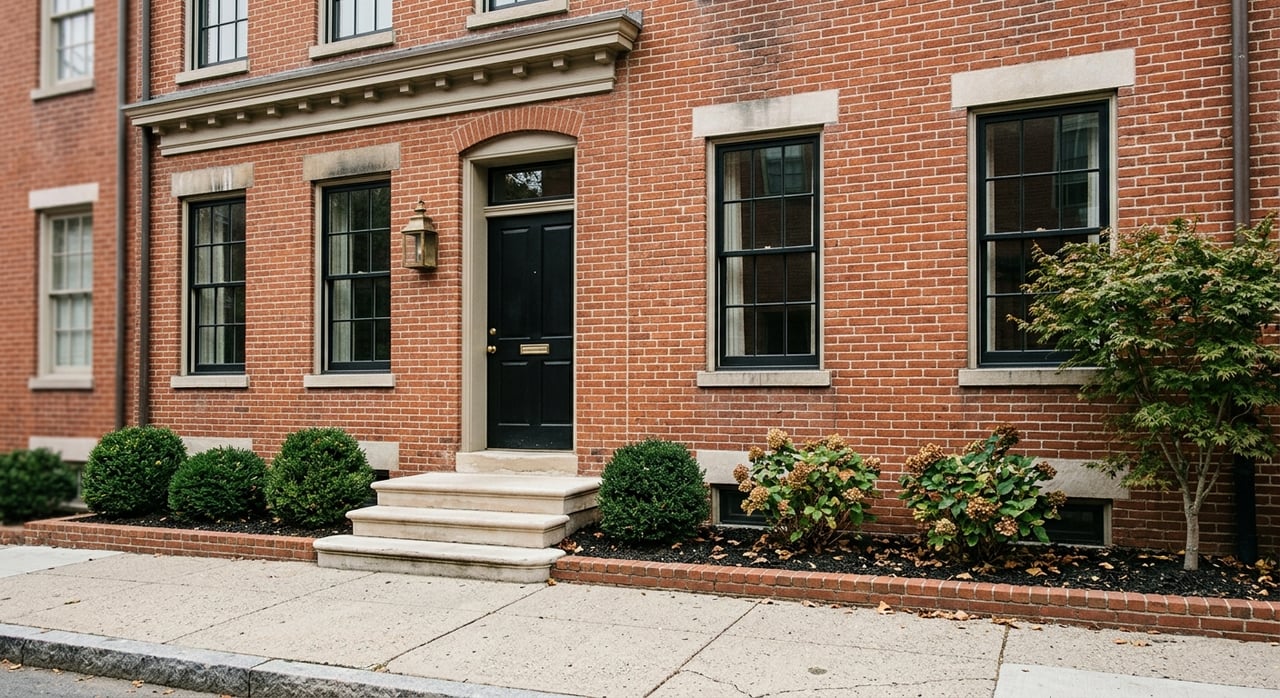
If you price a historic Georgetown rowhouse like a generic DC home, you can miss the market by a wide margin. In Georgetown, buyers are not just comparing square footage. They are weighing architecture, block-by-block appeal, outdoor space, parking, and how much of the home’s character has been preserved or updated well. This guide will show you how to think about pricing with more precision, so you can launch with confidence and avoid leaving money or leverage on the table. Let’s dive in.
Georgetown pricing starts with context
Georgetown is its own market, not just another slice of Washington, DC. Over the three months ending April 2026, Redfin reported a Georgetown median sale price of $1,394,482, a median price per square foot of $837, median days on market of 48, and a sale-to-list ratio of 98.9%. By comparison, Washington, DC overall posted a median sale price of $649,665 over the same period.
That gap matters, but neighborhood averages are only a starting point. Zillow’s Georgetown home value index was $1,513,292 as of April 30, 2026, with a median list price of $1,678,333 and 64 homes for sale. Useful context, yes, but not a pricing formula for one specific historic rowhouse.
The reason is simple: Georgetown has wide value dispersion even within the same neighborhood label. Recent examples ranged from $1.175 million for a 1,078-square-foot home to $1.725 million for a 2,122-square-foot home, then up to $3.95 million for a 4,100-square-foot home and $4.6 million for a 5,373-square-foot home. In other words, the right pricing strategy has to go deeper than averages.
Why Georgetown rowhouses price differently
Historic character shapes value
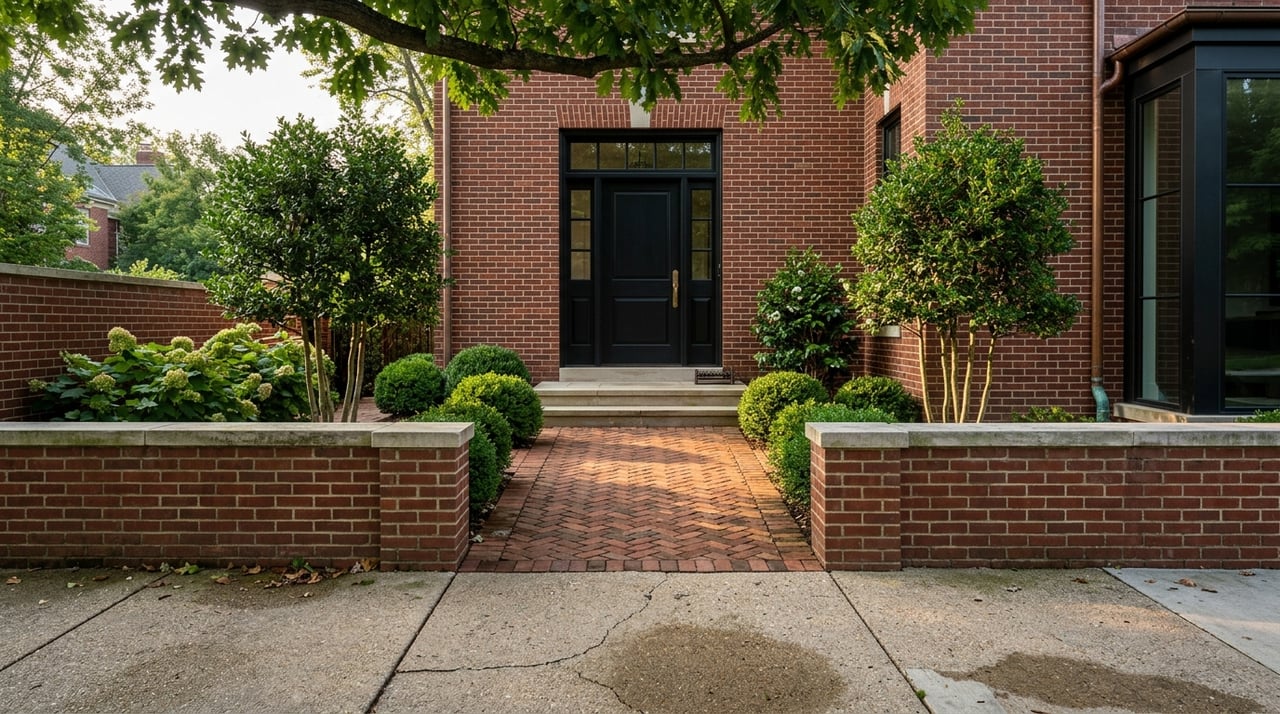
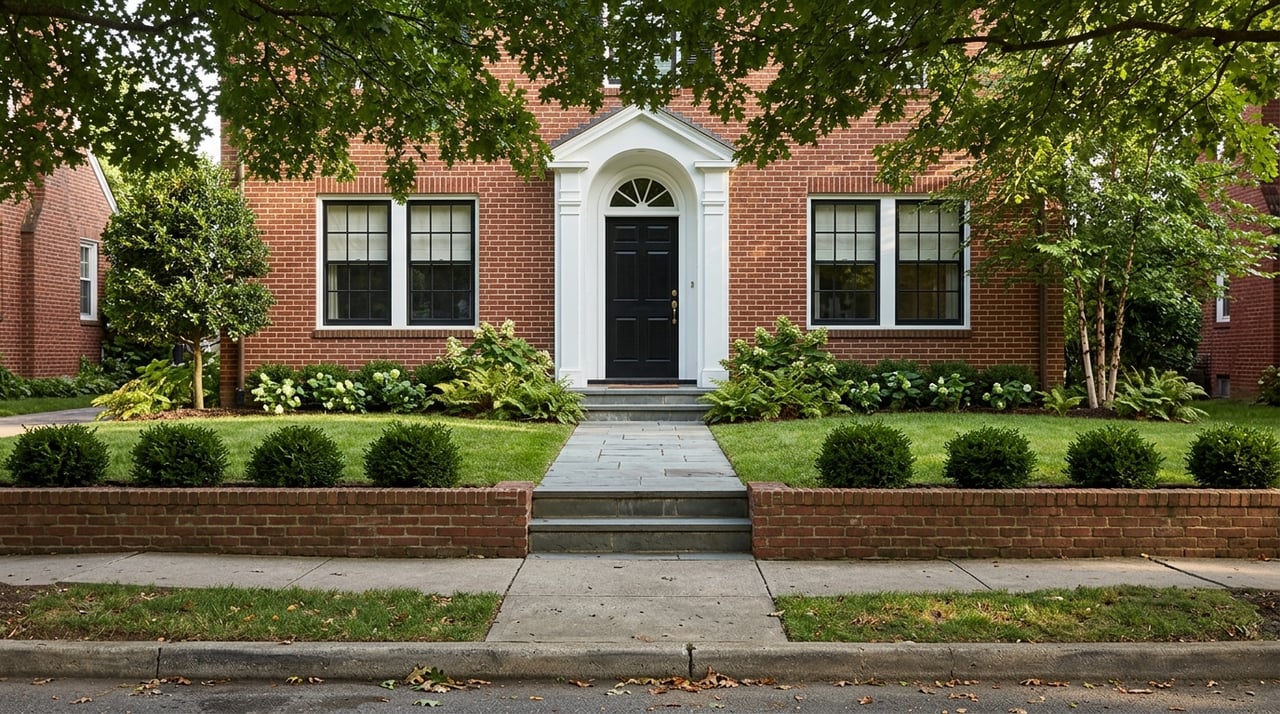
Georgetown was listed on the National Register in 1967 and designated a National Historic Landmark, with a period of significance later expanded to 1765 through 1950. Official DC planning materials describe a neighborhood of brick or wood-frame rowhouses, generally under three stories, with coordinated widths, heights, and setbacks. That means buyers often respond to the full composition of the home, not just its interior finishes.
Lot patterns matter too. Georgetown’s historic documentation notes lots commonly in the 20-by-60 to 20-by-100 range, often with three-bay facades. In practical terms, lot usability, facade rhythm, and street presence can influence value in ways that a broad price-per-square-foot average cannot fully capture.
Original and sympathetic updates are not the same
One nuance sellers often miss is that historic appeal in Georgetown can come from more than one era. District records note that from 1935 to 1945, more than 500 houses were substantially remodeled to recapture old Georgetown character, and some new construction followed a Colonial Revival pattern with brick walls, 6-over-6 windows, and integrated garages.
That means a home may present as highly “Georgetown” even if parts of its character come from later sympathetic remodeling rather than original fabric. For pricing, that distinction matters. Buyers may value both, but they do not always value them the same way.
The pricing drivers that matter most
Facade integrity and exterior details
In Georgetown, exterior character carries real weight because visible changes are closely reviewed. DC’s Georgetown design standards note that review comments can address height, appearance, material color and texture, and exterior architectural features.
That makes the condition and authenticity of the facade, roofline, masonry, cornice, and window pattern important pricing inputs. A rowhouse with a cohesive exterior presentation often supports stronger buyer confidence than one with visible inconsistencies or less compatible changes.
Renovation quality and what buyers can trust
Inside the home, buyers still care about layout, condition, and finish level. But in Georgetown, the story behind the renovation also matters. A polished interior paired with an exterior that respects the home’s architectural context usually lands better than updates that feel disconnected from the house itself.
This is also where pricing discipline matters. Sellers sometimes overprice based on money spent rather than market response. In reality, buyers tend to reward renovations that improve livability and fit the home’s character, not every dollar invested.
Outdoor space is a scarcity feature
In a neighborhood built on compact urban lots, usable outdoor space can move value meaningfully. Georgetown’s lot patterns help explain why a rear patio, terrace, courtyard, first-floor deck, or roof deck where allowed can stand out.
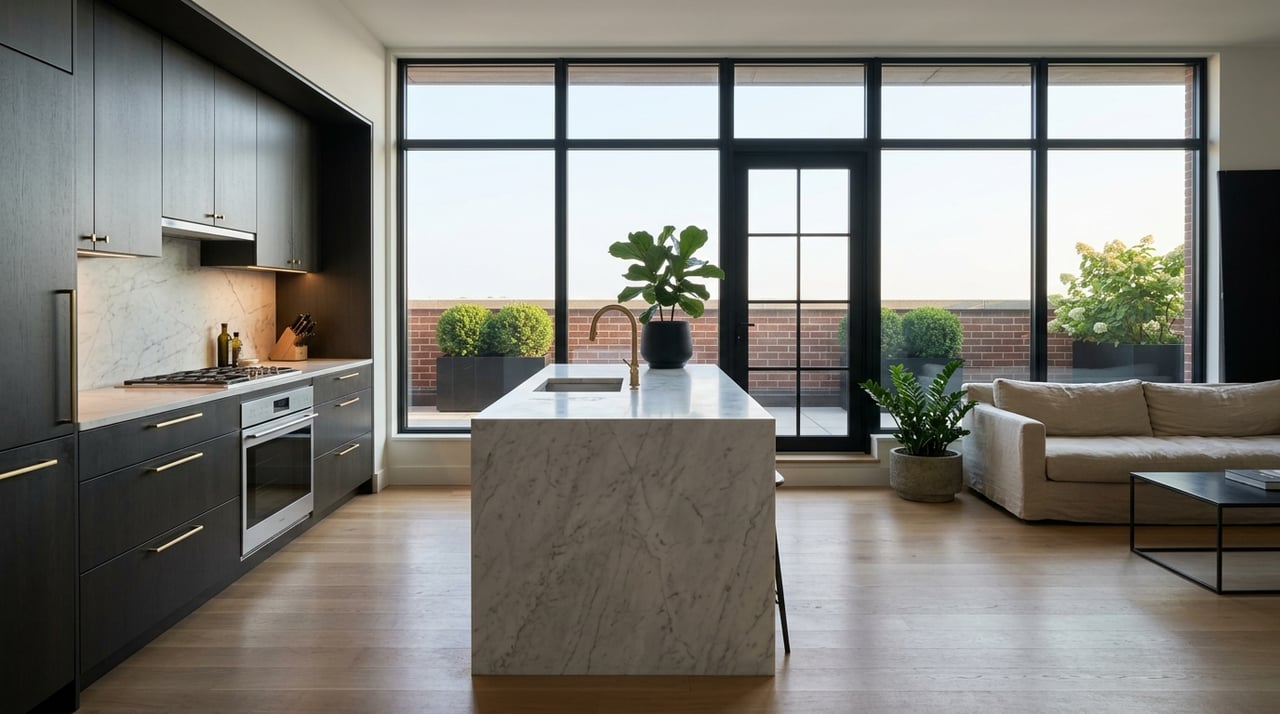
Research on urban open space supports this idea. Studies show that open-space value often rises where private outdoor space is limited. For a Georgetown rowhouse, that means outdoor space is more than a lifestyle bonus. It can be a real pricing lever when it is usable, attractive, and well integrated with the home.
Parking can carry outsized value
Parking matters in dense urban neighborhoods, and Georgetown is no exception. Existing off-street parking, alley-access garage rights, or secure parking arrangements can strengthen value because adding new parking is not always simple.
That is especially true in Georgetown, where review rules make some changes far more difficult than others. DC guidance notes that alley-access parking pads may qualify for minor review, while new curb cuts, front- or side-yard parking pads, and prominently visible garages generally require a more involved review path. Buyers know scarcity when they see it, and parking can be one of the clearest examples.
Micro-location can change the outcome
Not all Georgetown blocks trade the same. Street character, lot orientation, access, and adjacency can shift buyer demand even when homes are similar on paper.
This is one reason recent sales show such a wide range. Georgetown’s coordinated streetscape means even small differences in position can affect light, privacy, curb appeal, and how a home lives day to day. Smart pricing always accounts for the specific block, not just the ZIP code or neighborhood name.
Why prep decisions affect price
Some exterior changes are not quick fixes
If you are thinking about making visible exterior changes before listing, timing matters. DC preservation guidance says compatible repairs and some minor alterations can often be cleared by the Historic Preservation Office, while more prominent exterior changes may need review by the Historic Preservation Review Board.
The timeline gap is important. Minor work can often be cleared in 1 to 3 days, while major review cases are typically on a 30 to 60 day timeline. So if your pricing plan depends on a front-facing exterior change, a roof addition, a visible deck element, or a major facade alteration, you should not assume it can be done quickly.
Interior improvements are often more practical
DC guidance also notes that interior alterations and non-structural interior demolition are not subject to historic preservation review. For many sellers, that means the most efficient pre-listing work is inside the home.
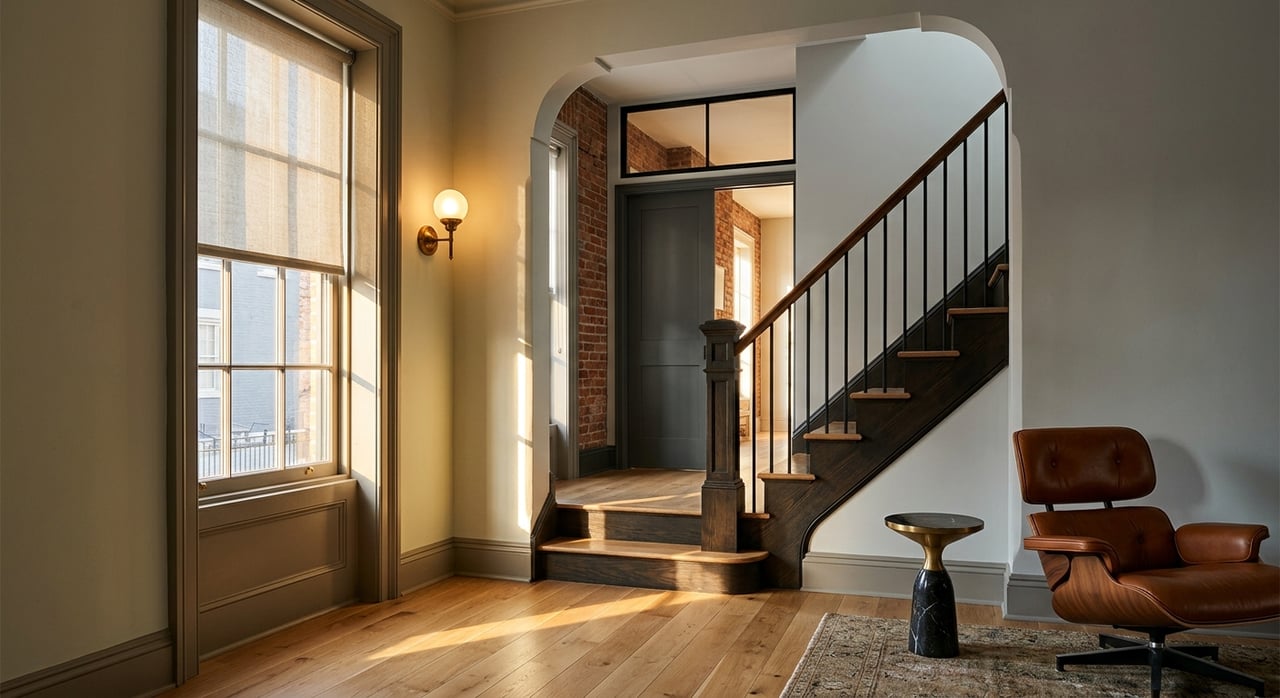
Fresh paint, lighting, hardware, floor refinishing, kitchen and bath touch-ups, and layout improvements that increase usability can often be easier to execute before launch. When done well, those updates can improve buyer response without dragging the listing timeline.
A practical way to price a Georgetown rowhouse
Start with the closest comps
The most defensible pricing approach starts with recent, highly similar sales. Focus on rowhouses with comparable size, lot characteristics, architectural presentation, condition, and location within Georgetown.
Then make targeted adjustments for the features that truly move value. In this market, those often include facade integrity, renovation quality, outdoor space, parking, and micro-location. That approach is far more reliable than leaning on a citywide average or an automated estimate alone.
Use averages as guardrails, not the answer
Neighborhood data still has value. It tells you Georgetown remains high-priced and competitive, and it gives you a sense of current buyer behavior.
But broad metrics should frame the conversation, not determine the final number. Automated values and neighborhood medians cannot fully capture whether your rowhouse has original architectural details, a better courtyard, alley parking, or a more desirable block orientation.
Price for leverage, not just aspiration
Redfin’s latest Georgetown data shows a market that is still competitive, with 22.9% of homes selling above list. At the same time, 21.7% had price drops, and the overall sale-to-list ratio was 98.9%.
That combination tells you something important. Buyers will pay for the right home, but overpricing can still lead to longer market time and negotiated reductions. In a neighborhood like Georgetown, strong pricing is not about chasing the highest possible number on day one. It is about setting a number that creates confidence, protects leverage, and keeps your listing from going stale.
The bottom line for sellers
Pricing a historic Georgetown rowhouse is really an exercise in understanding scarcity. Authentic character, thoughtful updates, usable outdoor space, parking access, and the right block can each change how buyers respond.
The goal is to tell the market a credible story, backed by comparable sales and local context. When your pricing reflects what is truly hard to replicate in Georgetown, you put yourself in a stronger position to attract serious buyers and negotiate from strength.
If you are weighing a sale and want a pricing strategy built around Georgetown’s architecture, buyer behavior, and block-by-block nuance, The Mike Aubrey Group brings concierge-level guidance, disciplined execution, and negotiation-focused representation to every step.
FAQs
How should you price a historic Georgetown rowhouse?
- Start with recent Georgetown rowhouse comps that closely match your home’s size, condition, lot, and location, then adjust for facade integrity, renovation quality, outdoor space, parking, and micro-location.
Do Georgetown averages help price a specific rowhouse?
- Yes, but only as context. Georgetown median price and price-per-square-foot data help frame the market, but they are not precise enough to set the final list price for a unique historic home.
Does historic character affect Georgetown rowhouse value?
- Yes. Buyers often respond strongly to facade composition, masonry, window pattern, roofline, and how well the home’s character has been preserved or updated in a sympathetic way.
Do renovations increase Georgetown rowhouse value?
- Often, but not equally. Buyers tend to reward updates that improve livability and fit the home’s architectural context more than changes that feel generic or out of sync with the house.
Does outdoor space matter when pricing a Georgetown rowhouse?
- Yes. In a compact urban setting like Georgetown, a usable courtyard, patio, terrace, or other private outdoor area can function as a scarcity feature and strengthen buyer demand.
Does parking add value to a Georgetown rowhouse?
- It often can, especially when parking already exists. Because new parking can be constrained by review rules and site conditions, existing alley-access or off-street parking may carry meaningful value.
Can sellers make exterior changes quickly before listing a Georgetown rowhouse?
- Not always. Minor compatible work may move quickly through review, but more visible exterior changes often take longer and may require a 30 to 60 day review timeline.
Are interior updates easier before listing a Georgetown rowhouse?
- Usually, yes. Interior alterations are generally more practical because they are not subject to Georgetown historic preservation review in the same way visible exterior changes can be.